Gardeners for Silk Street terraces near Barbican Centre: a practical guide to smart terrace care
If you live or work near the Barbican Centre, you already know the terrace life can be a bit of a balancing act. The space is precious, the light can be tricky, and everything from wind exposure to watering routines seems to matter more than it would in a standard back garden. That is exactly why Gardeners for Silk Street terraces near Barbican Centre is a useful, local search in its own right: it points to specialist help for outdoor spaces that need careful, tidy, consistent attention rather than rough, one-size-fits-all treatment.
In this guide, we look at what terrace gardening typically involves in this part of London, how the work is usually handled, what benefits you can expect, and where people often go wrong. You will also find a clear step-by-step approach, practical advice on tools and compliance, a comparison of common methods, and a realistic checklist you can use before booking help. Nothing overblown. Just the sort of guidance that helps you make a better decision.
Table of Contents
- Why Gardeners for Silk Street terraces near Barbican Centre Matters
- How Gardeners for Silk Street terraces near Barbican Centre Works
- Key Benefits and Practical Advantages
- Who This Is For and When It Makes Sense
- Step-by-Step Guidance
- Expert Tips for Better Results
- Common Mistakes to Avoid
- Tools, Resources and Recommendations
- Law, Compliance, Standards, or Best Practice
- Options, Methods, or Comparison Table
- Case Study or Real-World Example
- Practical Checklist
- Conclusion
- Frequently Asked Questions
Why Gardeners for Silk Street terraces near Barbican Centre Matters
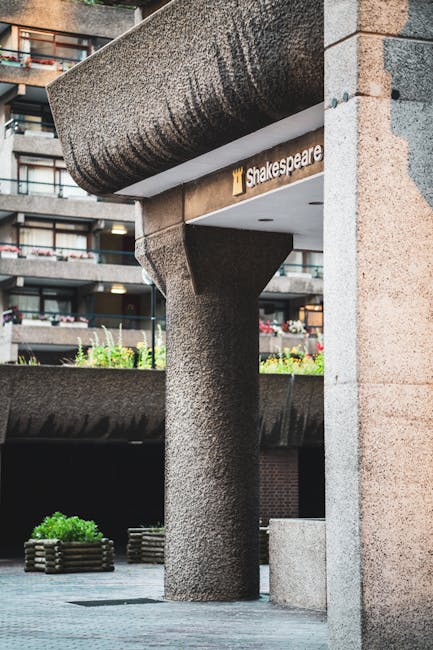
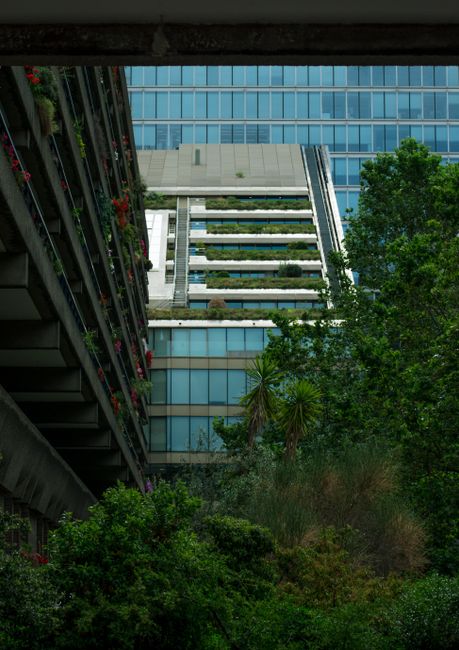
Terraces around Silk Street and the Barbican area tend to have their own little personality. Some are elevated and exposed, others are sheltered but shaded by surrounding buildings, and many are more about structure and planting design than sprawling lawn space. That changes everything. A terrace is not a patch of generic soil; it is usually a layered outdoor room with containers, planters, balustrades, paving, maybe a few awkward corners, and a constant need to keep things looking deliberate rather than cluttered.
Good terrace care matters because these spaces are highly visible. They are seen from inside the property every day, and often by neighbours too. A tidy terrace can make a flat feel calmer, brighter, and more finished. A neglected one, by contrast, quickly starts to look smaller and messier than it really is. Truth be told, a single set of overgrown containers or water-stressed plants can make the whole place feel tired.
There is also the practical side. Terrace planting in central London has to cope with wind, reflected heat, dry periods, and, sometimes, limited access for maintenance. That means the job is about more than "watering the pots." It involves plant choice, seasonal trimming, soil care, feeding, drainage checks, and making sure the space still feels usable. If you want that done properly, a maintenance-minded approach is far better than occasional cosmetic tidying.
For readers looking at broader outdoor upkeep, it can help to understand the bigger service picture too. A site like services overview is useful when you want to see how terrace care fits alongside other garden work, rather than treating it as a one-off task with no ongoing plan.
How Gardeners for Silk Street terraces near Barbican Centre Works
In practice, terrace gardening near Barbican Centre usually starts with a simple assessment. What is already growing? Where does the light fall during the day? Which planters dry out fastest? Are there areas that get wind funnelled between buildings? On a terrace, these details are not minor. They decide whether a planting scheme survives comfortably or spends its life looking a bit frazzled.
A professional gardener will usually begin by looking at the space as a system. That means checking the containers, existing soil, plant health, drainage, access routes, and any maintenance constraints such as shared access or building rules. From there, the work might involve regular watering, deadheading, pruning, weeding, feeding, re-potting, seasonal planting, hedge or topiary shaping if relevant, and general tidy-up tasks. Sometimes the job is mainly upkeep. Sometimes it starts as upkeep and quietly turns into a rescue mission. That happens more often than people think.
For smaller terraces, maintenance often works best on a little-and-often basis. Once a fortnight may be enough in some seasons; in summer, you may need more frequent attention depending on the planting and the weather. Larger or more ambitious terrace schemes usually need a more structured schedule. There is no single perfect formula. A good gardener will adapt the approach to the space, not the other way around.
Where redesign or improvement is involved, the work may overlap with planting and layout changes. That is where landscape gardening or landscaping can become relevant, especially if the terrace needs better flow, more privacy, or a stronger visual structure.
Key Benefits and Practical Advantages
There is a straightforward reason people look for specialist gardeners for terrace spaces: the right care makes the whole property feel better. But the benefits go well beyond appearances. Here are the ones that tend to matter most in real life.
- Better use of limited space. On a terrace, every pot and planter has to earn its place. Well-managed planting makes the area feel generous rather than crowded.
- Healthier plants. Regular attention helps prevent the slow decline that happens when containers dry out, become root-bound, or run out of nutrients.
- Cleaner presentation. A neat terrace is easier to enjoy, especially if you use it for breakfast, reading, or a quick cup of tea after work.
- Less stress. You do not have to keep wondering whether the jasmine has collapsed, or whether the herb pots are on the brink. Someone is keeping an eye on it.
- Seasonal continuity. A terrace can look good all year if the planting scheme is planned properly and refreshed at sensible intervals.
- Property value perception. Even if the terrace is small, it can strongly influence how a home or office feels to visitors or prospective buyers.
There is also a quieter benefit that people often notice after a few visits: the space becomes easier to live with. Less frantic. Less patchy. You stop seeing only the problems and start enjoying the atmosphere. That is a big difference, especially in a dense part of London where outdoor calm is worth its weight in gold.
Who This Is For and When It Makes Sense
This kind of gardening support is a good fit for a few different groups. First, homeowners or tenants with terrace gardens who want the space to stay attractive without spending every spare weekend pruning and repotting. Second, property managers and landlords who need outdoor areas to look professional and cared for. Third, residents who have inherited a terrace that looks a little tired and need help deciding whether it is a maintenance job, a replanting job, or both.
It also makes sense if you have tried to maintain the terrace yourself and keep hitting the same wall. Perhaps the plants do fine for a while, then fade. Maybe the containers are always dry by lunchtime. Or maybe the layout just never quite feels right. Gardens can be stubborn like that. A fresh set of eyes can help more than another bag of compost and a hopeful weekend.
You may also be a good fit if the terrace forms part of a business premises, private office, or hospitality setting near Barbican Centre. In those cases, appearance is not just personal preference; it affects how the place is perceived by clients, visitors, and staff. A consistent maintenance plan is often the sensible route.
When it is probably worth getting help
- The terrace is exposed to wind or full sun and plants keep drying out.
- Containers are looking uneven, overcrowded, or under-planted.
- You want seasonal planting without having to research every variety yourself.
- Access is awkward, so doing everything yourself is more hassle than it should be.
- You need reliable upkeep rather than occasional tidying.
Step-by-Step Guidance
If you are planning terrace gardening support near Silk Street, the process is easier when you break it down. Here is a sensible, no-nonsense way to approach it.
- Assess the space honestly. Look at light, shade, wind, drainage, access, and how much time you actually want to spend on upkeep. Be blunt with yourself here. A terrace that gets baked by afternoon sun will need a different planting style from one tucked in shade.
- Define your outcome. Do you want a low-maintenance terrace, a decorative seasonal display, more privacy, edible herbs, or a mix? A clear goal makes decisions much easier later.
- Review the existing plants and containers. Some may be worth keeping, especially if they are established and healthy. Others may simply be in the wrong place. A tired pot is not a moral failing, by the way.
- Choose a maintenance rhythm. Decide whether the terrace needs weekly, fortnightly, or seasonal attention. In many cases, the answer changes through the year, and that is normal.
- Plan for drainage and watering. Containers on terraces often fail because water management is poor, not because the plants themselves are bad. Little things matter here.
- Use appropriate planting. Select plants that suit the conditions rather than forcing something fussy into the wrong spot. This is where professional judgement helps a lot.
- Agree on recurring tasks. These might include deadheading, pruning, feeding, pest checks, rotating pots, or replacing seasonal plants.
- Review after the first few visits. A terrace scheme often needs fine-tuning once the real conditions become clear. That is normal and actually a good sign.
If you want a broader maintenance package that includes regular upkeep, it is worth looking at garden maintenance as a related service. It helps you think in terms of rhythm and continuity, which is exactly what terraces need.
Expert Tips for Better Results
Experience teaches you that terrace gardening is won in the details. Not the flashy bits. The details. A few practical tips make a genuine difference.
- Prioritise container quality. Cheap pots can crack, tip, or dry out too quickly. Good containers help with stability and moisture retention.
- Mix structure with softness. Use evergreen or architectural planting alongside seasonal colour. That keeps the terrace looking complete even in the quieter months.
- Think vertically. In a small outdoor area, height can make a huge difference. Trellises, trained climbers, and taller planters create depth without stealing floor space.
- Group plants by watering needs. It sounds obvious, but people still mix thirsty and drought-tolerant plants together and then wonder why one side always looks unhappy.
- Don't overfill the space. A terrace can look luxurious and still have breathing room. In fact, the breathing room is often what makes it feel luxurious.
- Refresh compost and top dressing regularly. Container plants depend on what is in the pot, so soil care is not optional.
- Watch the first signs of stress. Curling leaves, dry edges, pale colour, leaning stems. Catching problems early saves time and money later.
One more thing: if you are going for a polished look, repetition helps. Repeated forms, repeated colours, repeated planter shapes. Not every pot has to match, obviously, but the terrace should feel like one idea rather than a random collection of plant experiments from a windy afternoon.
Common Mistakes to Avoid
A lot of terrace problems come from good intentions, just a bit misdirected. Here are the ones that show up most often.
- Choosing plants for looks alone. A beautiful plant that hates wind or shallow soil will keep punishing you, quietly and repeatedly.
- Ignoring access and weight. Large planters look great until you need to move them, clean around them, or check drainage.
- Overwatering or underwatering. Both are common on terraces. Both are avoidable, but only if someone is paying attention.
- Letting containers become root-bound. Plants in pots eventually need space. Otherwise, growth stalls and the whole display weakens.
- Forgetting seasonal change. A terrace that looks perfect in May may be a bit sorry for itself by late August if the care plan never changes.
- Assuming "low maintenance" means "no maintenance." There is no such thing. Sorry. Nature does not sign that contract.
Another common issue is trying to fix everything at once. Sometimes a terrace needs gradual improvement rather than a total overhaul. That is often the smarter path anyway, especially if you are unsure how the space behaves through the seasons.
Tools, Resources and Recommendations
Good terrace care depends on the right kit, but you do not need an absurd amount of it. A practical toolkit usually includes hand pruners, lightweight watering equipment, gloves, a trowel, a small fork, a moisture-checking routine, and the right compost or feed for container planting. For larger or more complex terraces, you may also need specialist cutting tools, plant supports, or secure storage for seasonal items.
Resource-wise, the best starting point is to understand what type of support you need. If the terrace needs more than simple upkeep, it may be worth reviewing broader services such as garden clearance for neglected spaces, hedge trimming where boundary planting needs shaping, or tree lopping and removal if larger plants are affecting light or safety. Use those options only where relevant, of course. No need to overcomplicate a modest terrace.
For readers thinking about reliability and trust, it is sensible to ask about insurance, working methods, and whether the company has clear policies on safety and payments. Those are boring questions only until something goes wrong, and then they become the most interesting questions in the room.
Law, Compliance, Standards, or Best Practice
For terrace gardening near Barbican Centre, the main compliance issues are usually practical rather than dramatic. You are typically looking at safe working methods, respect for building rules, sensible waste handling, and awareness of shared access or communal arrangements. If a terrace sits within a managed block or building, there may be additional rules about contractor access, noise, storage, or working hours. Those are often set by the building itself rather than by the gardener.
Best practice also matters. That includes taking care on elevated surfaces, avoiding trip hazards, securing tools, and not overloading planters or structures beyond what is reasonable. On terraces, weight and drainage should always be considered. A large container full of wet compost is heavier than many people expect. It is one of those things you only ignore once.
It can also be sensible to review safety and insurance arrangements before any regular work begins. A service page such as insurance and safety helps set expectations about responsible working, while health and safety policy gives a clearer sense of how the work should be approached. For payment expectations, payment and security can be helpful too.
If waste or removed plant material is involved, good recycling practice matters as well. A responsible provider should handle green waste carefully and avoid unnecessary dumping. If you want to see how that thinking fits into general service standards, recycling and sustainability is relevant. Not glamorous, but very sensible.
Options, Methods, or Comparison Table
Not every terrace needs the same level of service. Some only need periodic refreshes, while others need a proper maintenance schedule. This simple comparison can help you think it through.
| Approach | Best for | Typical strengths | Trade-offs |
|---|---|---|---|
| Basic tidy-up visits | Small terraces needing occasional reset | Quick, affordable, useful for presentation | Does not solve long-term plant health issues on its own |
| Regular maintenance | Occupied homes or business terraces used often | Consistent appearance, healthier plants, fewer surprises | Requires a recurring schedule |
| Seasonal replanting | Spaces that need fresh colour or stronger impact | Visual interest and flexibility through the year | More planning and seasonal replacement work |
| Full redesign or landscaping | Terraces with layout problems or weak planting structure | Best long-term transformation and better space use | Higher initial effort and more decision-making |
If you are unsure where your terrace sits on this scale, start with maintenance. It is usually the clearest way to see what is working before spending money on bigger changes. Once the essentials are under control, redesign decisions become much easier. Honestly, a lot easier.
Case Study or Real-World Example
Here is a realistic scenario. A resident near Silk Street has a compact terrace with three large planters, a couple of smaller pots, and one climber that looked wonderful two summers ago but has started to sprawl awkwardly. The terrace gets good morning light, then stronger wind by the afternoon. Every July, the plants seem fine for a while, then slowly dry out and lose shape. By September the space feels tired, even though nothing has obviously "gone wrong."
A sensible gardener would not jump straight into replacing everything. First, they would assess the containers, confirm which plants suit the conditions, and check whether the watering pattern matches the actual exposure. They might reposition the most vulnerable pots, swap in more resilient planting, add structure with evergreen forms, and establish a better watering and feeding rhythm. They may also recommend a clean-up and selective pruning rather than a full redesign. Small changes, but effective ones.
After a couple of visits, the terrace would likely feel more settled. The planter groupings would make sense. The plants would stop fighting the site quite so much. And the owner would get something valuable: a space that looks cared for without needing constant intervention. That is usually the sweet spot.
Sometimes the biggest improvement is not a dramatic new feature. It is simply getting the basics right and keeping them right. Bit boring, perhaps. Also very effective.
Practical Checklist
Before booking terrace gardening support near Barbican Centre, use this checklist to make sure the work is properly scoped.
- Have you identified how much sun, shade, and wind the terrace gets?
- Do you know which plants are thriving and which are struggling?
- Are the planters draining properly?
- Is there a clear maintenance rhythm in mind?
- Do you want simple upkeep, seasonal planting, or a bigger redesign?
- Have you checked any building or access rules that may affect work?
- Is there a safe route for moving tools, compost, and waste?
- Do you need extra services such as pruning, clearance, or hedge shaping?
- Have you asked about insurance, safety, and payment arrangements?
- Do you know what outcome you want the terrace to deliver: privacy, colour, calm, or all three?
Quick expert summary: the best terrace care is not necessarily the most dramatic. It is the care that matches the space, the building, the light, and the way you actually live. Once those four things line up, the terrace starts to feel easy. Well, easier. London terraces rarely become effortless, but they can absolutely become lovely.
If you are ready to improve a terrace near Barbican Centre, speak to a team that understands the realities of compact urban planting, reliable upkeep, and clean presentation.
Get a free quote today and see how much you can save.
Conclusion
Gardeners for Silk Street terraces near Barbican Centre are about more than keeping pots alive. They are about making a compact outdoor space feel intentional, calm, and genuinely useful. With the right care, a terrace can become one of the best parts of a property: somewhere to pause in the morning, to step out for a breath of air, or to soften the edges of a busy day.
The key is matching the work to the space. Good terrace gardening is part design, part maintenance, part observation. It rewards consistency and small adjustments rather than dramatic interventions every few months. That may not sound flashy, but it works. And in central London, that sort of practical elegance goes a long way.
Take the time to define what your terrace needs, ask sensible questions, and choose support that treats the space with care. The result is not just a better-looking terrace. It is a space you will actually use, notice, and enjoy. That counts for a lot.
Frequently Asked Questions
What do gardeners for Silk Street terraces near Barbican Centre usually do?
They typically handle planting, pruning, watering, container care, deadheading, seasonal refreshes, and general maintenance for terrace spaces that need regular attention and tidy presentation.
How often does a terrace need maintenance?
It depends on the planting, exposure, and season. Many terraces need fortnightly care at minimum, while hot or windy periods may require more frequent checks.
Is terrace gardening different from regular garden maintenance?
Yes. Terrace work usually focuses more on containers, drainage, weight, access, and wind exposure. There is often less soil space and more need for precision.
Can a small terrace still benefit from professional gardening help?
Absolutely. Small terraces often benefit the most, because every plant and pot affects the overall look. A few smart changes can make a very noticeable difference.
What plants work best on windy terraces near Barbican Centre?
Usually resilient, container-friendly plants that cope well with exposure and shallower rooting conditions. A good gardener will choose plants based on the actual light and wind conditions, not just appearance.
Do I need a full redesign or just maintenance?
If the terrace layout is basically fine and the issue is upkeep, maintenance is usually enough. If the space feels awkward, crowded, or hard to enjoy, a redesign may be worth considering.
How do I know if my terrace planters are draining properly?
Look for standing water, soggy compost, or plants that decline despite regular care. Poor drainage is common in containers and should be checked rather than guessed at.
Are there safety issues with terrace gardening?
There can be. Elevated surfaces, heavy planters, wet conditions, and access routes all need sensible handling. That is why insurance and safe working practices matter.
Can gardeners help with privacy on terraces?
Yes. Taller planting, climbers, screens, and thoughtful container placement can all improve privacy without making the terrace feel boxed in.
What should I ask before hiring a terrace gardener?
Ask about experience with terrace spaces, maintenance frequency, insurance, waste handling, and how they would approach your specific light and wind conditions. Those answers tell you a lot.
How can I keep a terrace looking good between visits?
Keep watering consistent, remove dead leaves, check for pests early, and avoid overcrowding pots. Little habits matter a lot between professional visits.
Where can I learn more about related garden services?
You can explore broader support such as garden maintenance, lawn mowing, or about us if you want more background on the team and approach behind the service.